
Jatropha Plant: Size Options and Care Guide
Plant character
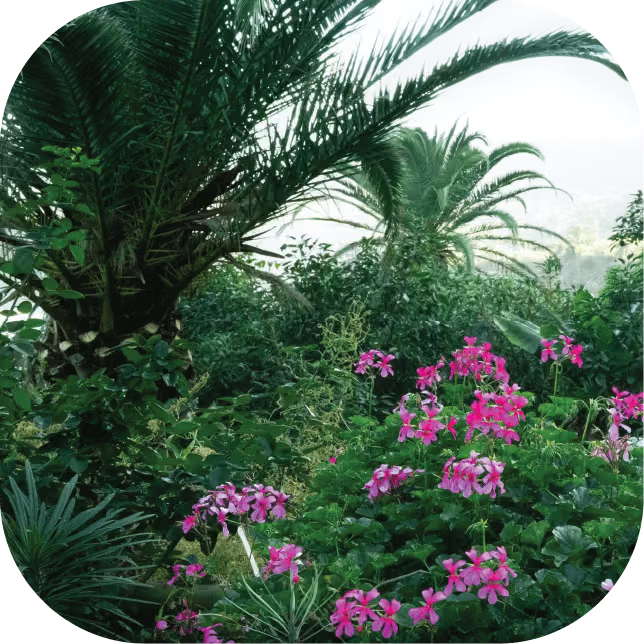
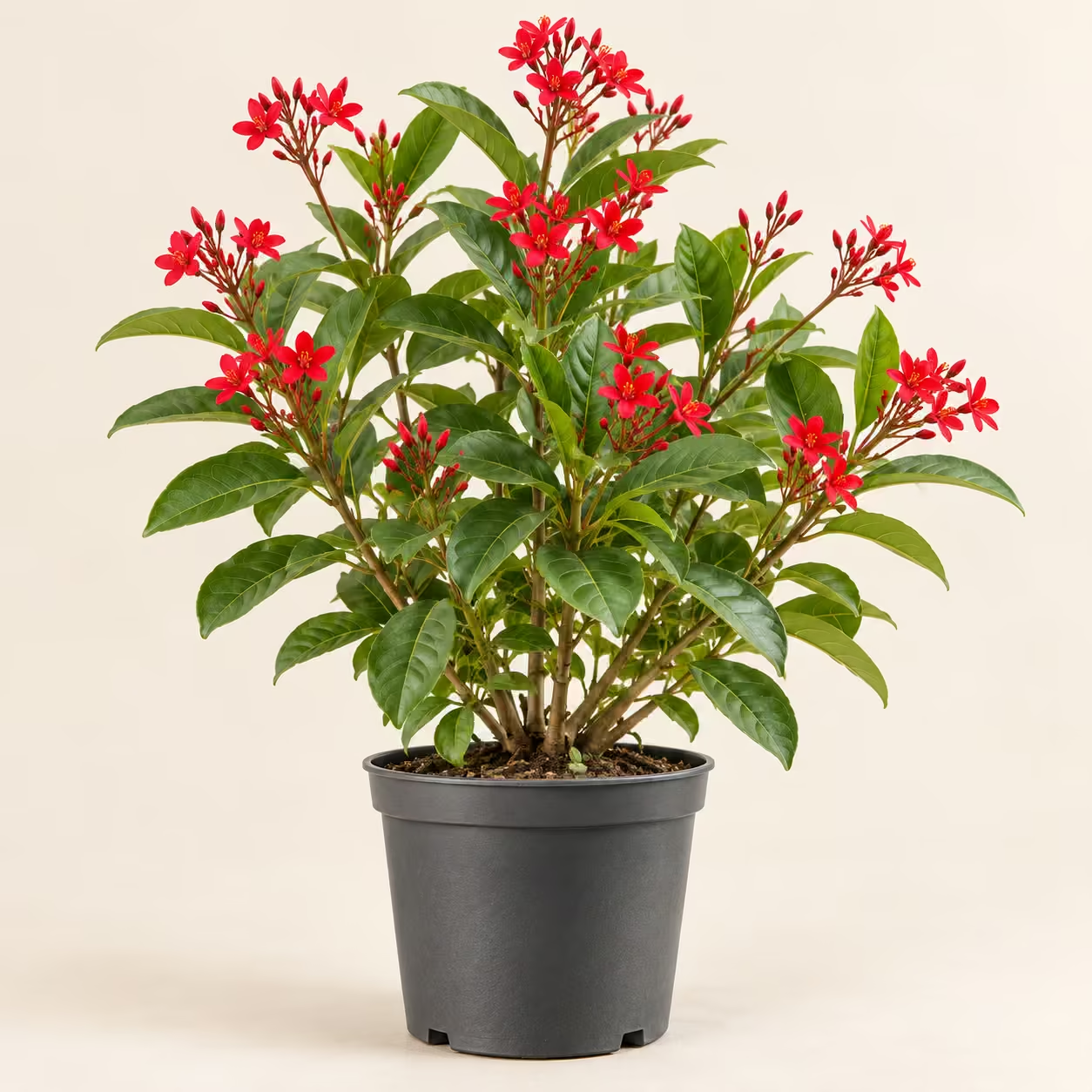
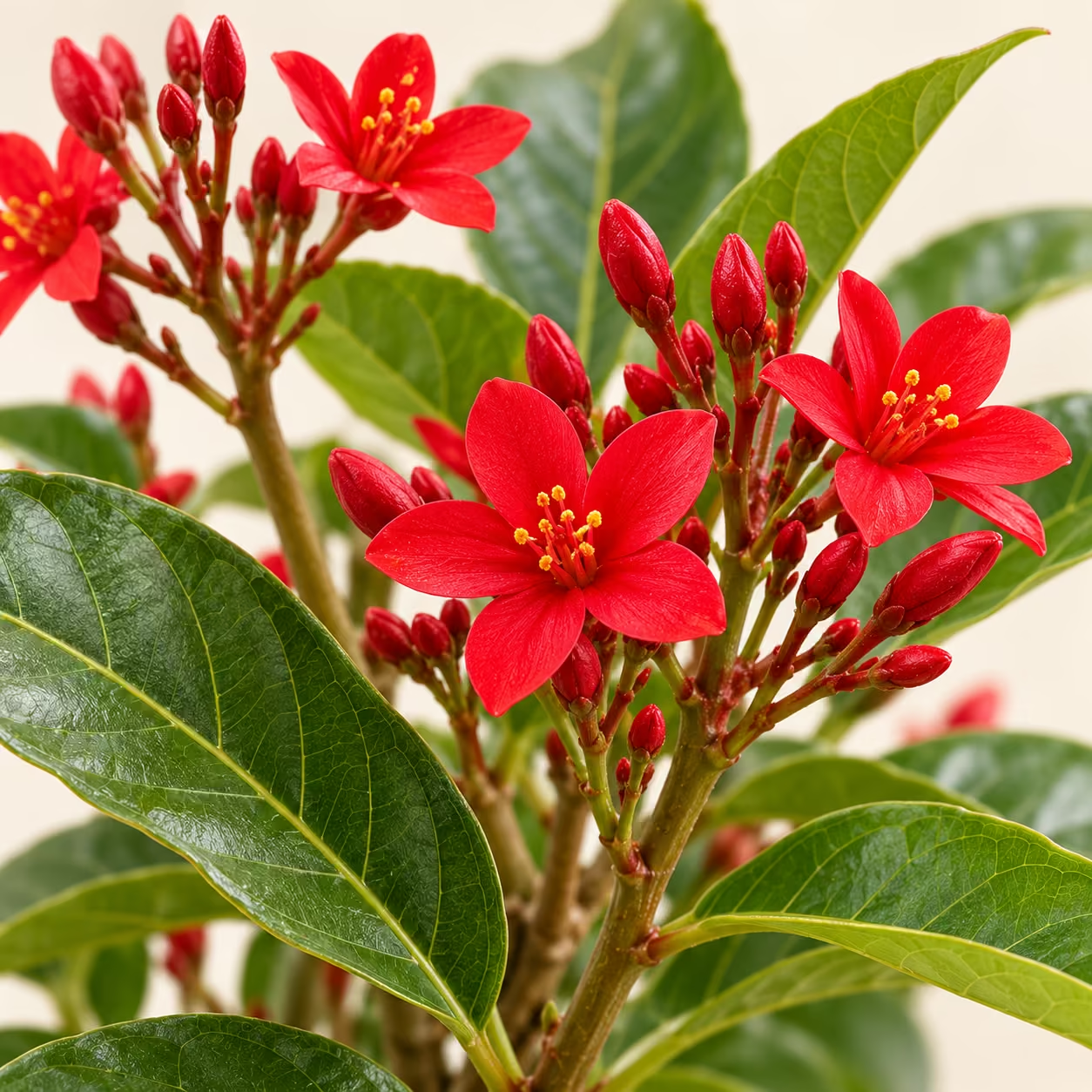
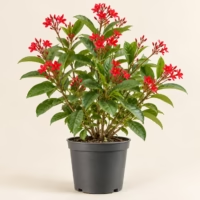
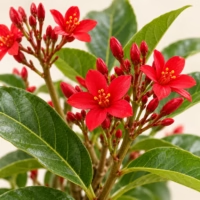
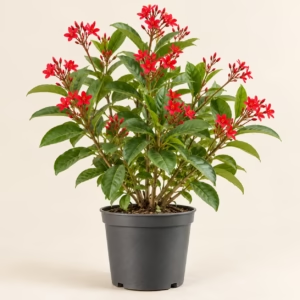
This ornamental Jatropha listing shows red flower clusters above green leaves. The name alone does not identify every species in the genus, so confirm nursery details for specialist care.
Jatropha is available from Plants Paradise in the nursery height and pot combinations listed below. Choose an option that fits the space available for the plant, its container and routine care. Consider the route into the garden or balcony, the amount of usable light and the room needed as new shoots develop. A good display position should remain practical when the weather changes, rather than only looking suitable on the day of planting.
Choose plant size
Select Plant Size to choose your nursery option. Heights are approximate measurements in feet. Where two options have the same height, the dropdown also identifies the pot diameter so you can select the correct container and price. The matching pot-size line appears in the variation details after selection. Pot diameter and plant height are different measurements; neither describes the eventual mature spread.
| Plant height | Pot diameter | Sale price (PKR) |
|---|---|---|
| 2 ft | 7 inch | 299 |
| 4 ft | 10 inch | 499 |
| 6 ft | 12 inch | 999 |
| 8 ft | 16 inch | 2000 |
| 10 ft | 18 inch | 3000 |
Light and placement
Bright outdoor light with gradual acclimatisation and suitable shelter. Observe how light reaches the leaves at different times of day. A roof, boundary wall, neighbouring building or larger plant may shade the growing area even when the surrounding space looks bright. Introduce a newly moved plant to stronger exposure gradually. Check young foliage for bleaching or scorch and adjust the position if necessary. Leave clearance around the canopy for inspection, airflow and comfortable watering.
Watering
Water when the upper mix starts drying, checking the root zone rather than following a fixed daily schedule. Check beneath the surface rather than judging only by a dry top layer. When watering is needed, wet the root ball evenly and let surplus water drain away. Empty any saucer or outer container that retains water. Pot size, root growth, wind, rainfall and temperature all change the watering interval. A reminder is useful for checking the plant, but the condition of the mix should determine whether water is added.
Container and soil
A loose, draining container mix with unobstructed drainage holes. Avoid blocking holes with compacted soil or leaving the base submerged inside a decorative outer pot. Keep the stem at a sensible planting level, preserving the existing root ball during a move. A nursery pot can support establishment, but it is not automatically the final container for a large shrub, tree or climber. When repotting is justified, increase container size proportionately and use a mix appropriate to the confirmed plant type.
Seasonal care in Pakistan
Use the actual conditions of your location to guide care. A sheltered Karachi courtyard, a hot Lahore rooftop and a cooler northern garden expose containers to different stresses. Monitor pots closely in hot, windy weather and check drainage after prolonged rain. Protect sensitive young growth from abrupt cold or intense reflected heat. Changes in leaf or flower activity can be seasonal; inspect the whole plant before deciding that one change indicates a disease.
Feeding and growth
Inspect shoots regularly and prune according to the confirmed species and flowering season. Feed during suitable active growth with a product appropriate to the plant and follow its label. Extra fertiliser cannot correct a dark position, damaged roots or persistent waterlogging. Keep feeding modest while a newly moved specimen settles. Do not assume that a bigger nursery option needs an aggressive feeding routine. Review fresh shoots, leaf condition and root-zone moisture together so any adjustment responds to an observed need.
Pruning and plant form
Use clean tools and begin with clearly damaged or dead material. Confirm the flowering habit before making larger cuts, because some plants carry buds on older growth while others flower on new shoots. Keep branches away from doors, sharp edges and narrow walking routes. For thorny plants or those with irritating sap, wear suitable gloves and manage cuttings carefully. Small, considered maintenance cuts usually make a display easier to manage than repeated severe trimming.
Flowers and colour
Flowering depends on maturity, season, light, health and the nursery variety. The supplied height and price do not guarantee buds or open flowers at delivery. Generated photographs illustrate one representative appearance, including flower colour. If a particular colour, fragrance or cultivar is essential, confirm that specification with the nursery before ordering. A plant may spend part of its growing cycle in leaf, so choose it for the conditions you can provide as well as its bloom display.
Settling a new plant
Unpack carefully, inspect stems and leaves, and check the root ball before watering. Keep the first few days simple, with suitable light and protection from abrupt exposure changes. Avoid combining heavy pruning, repotting and strong feeding immediately after arrival. Retain the nursery label and note where you have placed the plant. This makes it easier to identify the product and review what changed if growth responds differently over the following weeks.
Routine checks
During normal care, inspect new growth, leaf undersides and stem joints. If a plant becomes pale, droops or loses leaves, review recent watering, weather and exposure before guessing at a treatment. Separate visibly affected pots while investigating pests. Use a treatment only for an identified issue, observing its instructions. Keeping the growing area accessible makes regular checks easier and reduces the chance that a hidden drainage or tie problem continues unnoticed.
Catalogue images and included items
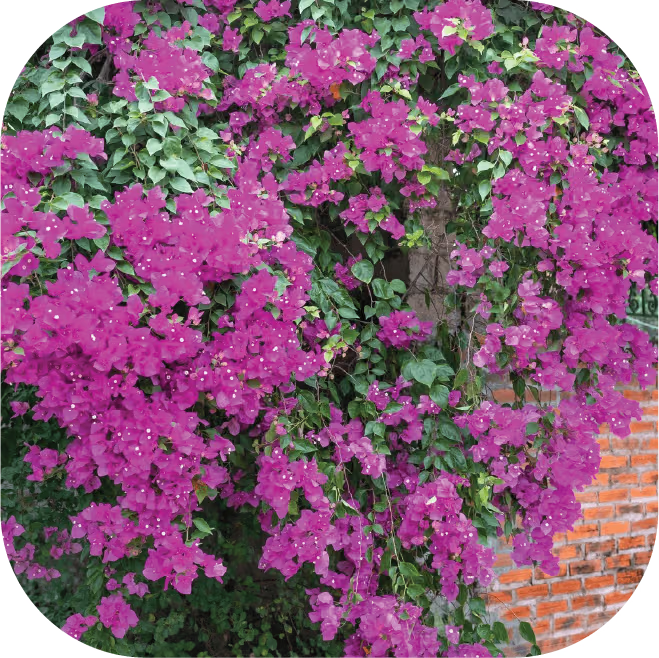
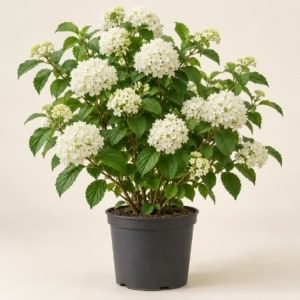
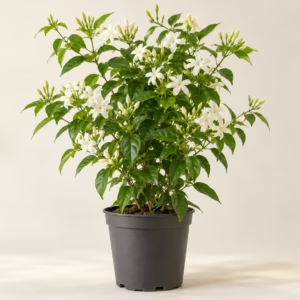
The featured and close-up images are AI-generated catalogue illustrations of the plant type, not photographs of the individual nursery specimen being dispatched. Live plants vary in fullness, branching and seasonal condition. The supplied stock list specifies nursery pot diameter; decorative finishes, climbing frames and accessories shown in imagery are not separately confirmed. Ask about those items when they are essential to your intended display.
Choosing your option
Choose Jatropha in a size that you can place, handle and maintain comfortably. Check the paired height, pot diameter and price before adding it to your collection. A taller specimen may create an immediate focal point, while a smaller option can be easier to move and establish. Allow room for future growth, and group pots in a way that keeps each root zone draining independently. Review the display as the plant develops rather than forcing it to remain at its original nursery dimensions.
Reviews
Clear filtersThere are no reviews yet.