

Bamboo Palm Plant: Size Options and Indoor Care Guide
Meet the plant
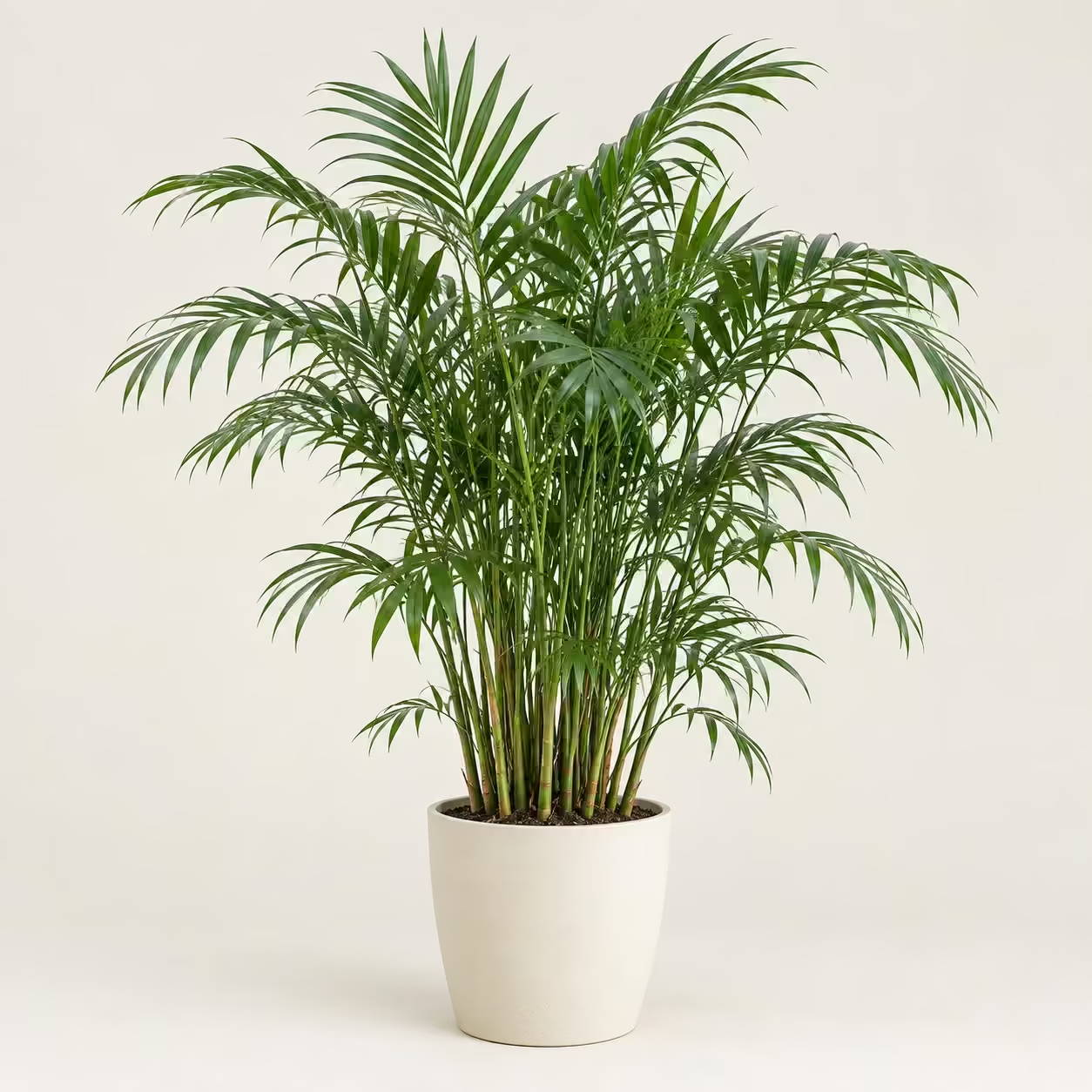
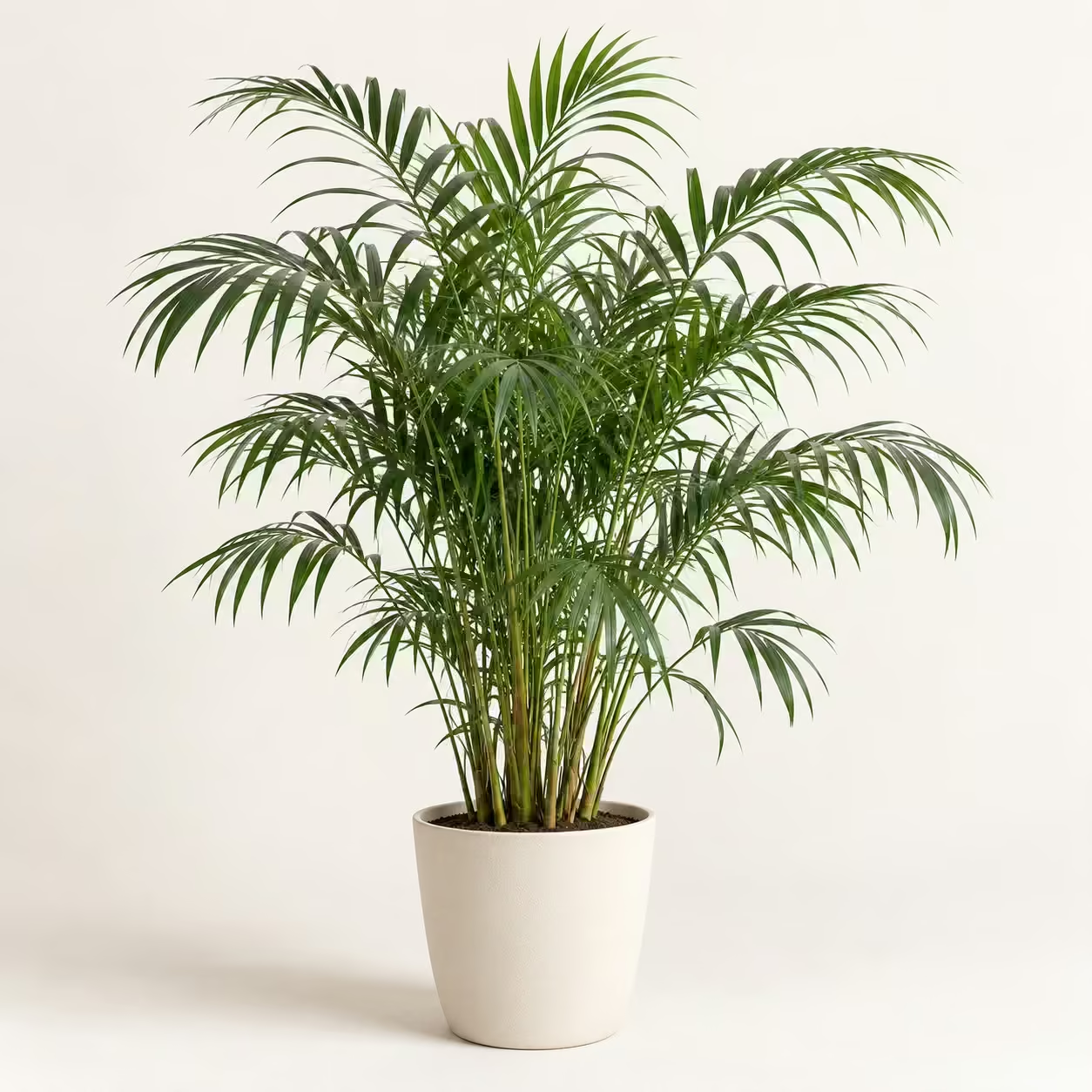
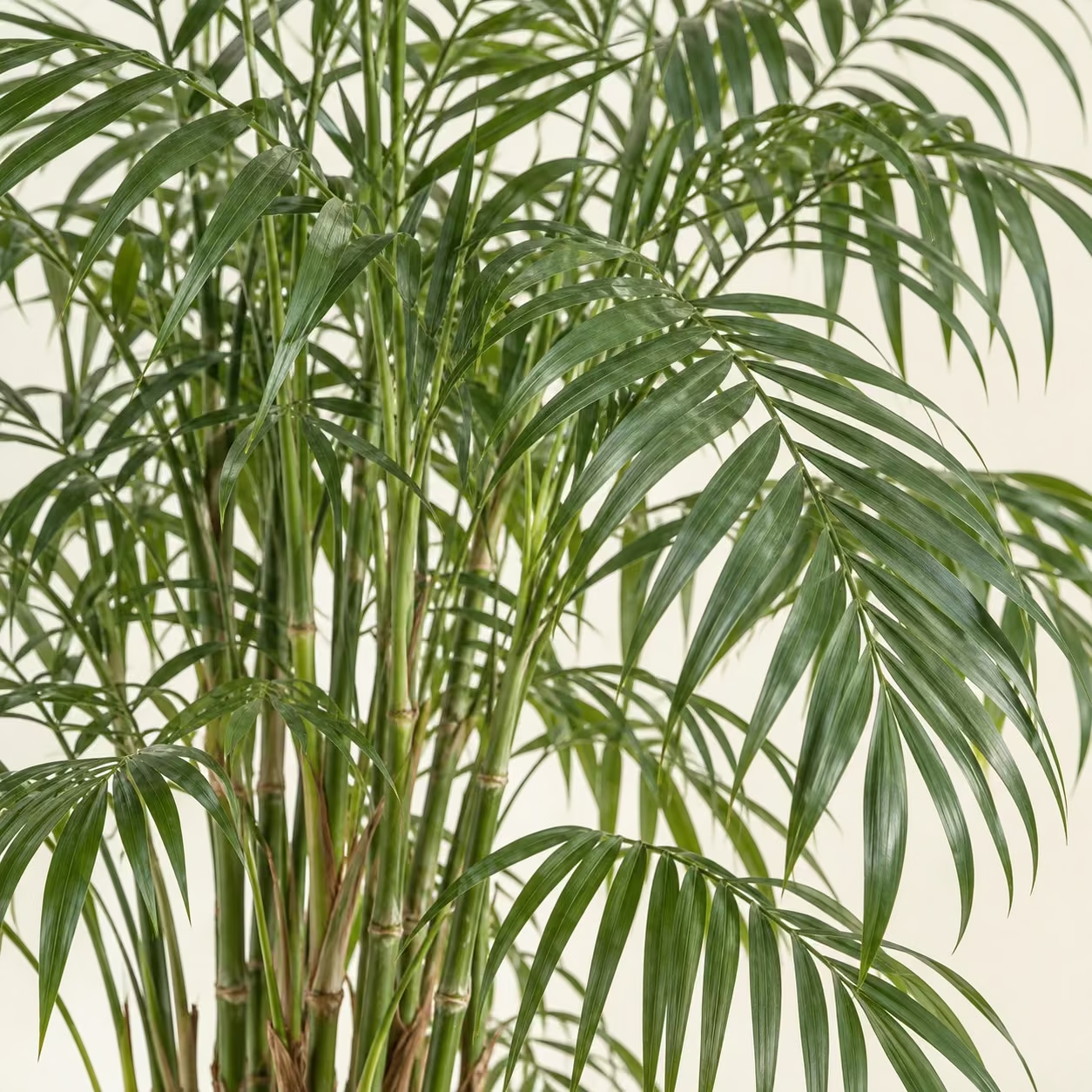
The Bamboo Palm brings fine leaflets on slender upright bamboo-like canes into a room, giving the collection a distinct form rather than just another green pot. The plant is listed as Chamaedorea seifrizii. Its appearance can change with age, growing conditions and the exact nursery specimen. Select a plant for the light and floor space you genuinely have, and check the height range before ordering. This guide is written for a living plant in a container, so small changes in leaf shape, stem count and colour are normal. A healthy root system and suitable placement matter more than an artificially perfect silhouette.
Choose the right pot size
Available choices are 10-inch pot (approximately 4 ft); 16-inch pot (approximately 5.5–6 ft, multiple plants). The inch measurement refers to the nominal pot diameter, while the height is an approximate size of the supplied plant; neither figure is a guarantee of an identical photograph. A small pot suits a shelf or starter collection, while a larger selection makes a more immediate visual statement. Give the chosen plant enough clearance from walls, doors and curtains. When you compare prices, compare the pot size and approximate height together. Some listed options include multiple plants or stems as specified in their individual size descriptions. If you need an exact measured specimen or a particular leaf pattern, ask for a current nursery photograph before purchase.
Where to place it
Place Bamboo Palm in a home office or bright indoor corner with space for its canes. The light recommendation is medium to bright filtered light; avoid intense direct afternoon sun. Light changes during the day and across seasons, so look at the site in the morning and afternoon rather than judging it once. A plant beside glass can experience much hotter conditions than one set back a little from the window. Rotate the pot slightly from time to time for even growth, unless it is still settling after delivery. Leave room for airflow around the leaves. Avoid positioning the container where moving doors, pets or busy foot traffic will repeatedly brush against it.
Watering without guesswork
The basic watering rule is to water when the upper soil begins to dry while avoiding prolonged drought. Test the compost with a finger or a wooden stick before adding water; a surface that looks pale can still be wet below. When watering is due, pour evenly until some water exits the drainage holes, then empty the outer saucer or decorative cover pot. Never leave the roots submerged for hours. The interval will change with pot size, season, light, indoor temperature and ventilation, so a fixed weekly schedule is less useful than checking the mix. Smaller containers can dry faster than large ones, but a large wet pot can also stay damp much longer after a thorough soak.
Potting mix and drainage
Use a loose palm mix with reliable drainage. A drainage hole matters because it lets excess water escape and makes the watering advice practical. If the supplied nursery pot sits inside a decorative cachepot, lift it out for watering and return it after it has drained. Repot only when the root system needs more space or the mix has deteriorated; an oversized new container can hold too much unused moisture. Choose a pot only modestly wider than the existing root ball. Keep the plant at the same soil level after repotting, and settle the mix around the roots without compacting it into a hard block.
Humidity, temperature and airflow
Bamboo Palm does best when you consider the whole microclimate: enjoys moderate humidity and gentle airflow. Aim for warm rooms with protection from cold draughts. In Pakistan, intense summer light through west-facing glass and the dry stream from an air conditioner can affect foliage even when the rest of the room feels comfortable. A bright shaded balcony may work for some specimens, but move them gradually and shelter them from wind and heavy rain. Do not crowd wet leaves together in an unventilated corner. If leaf tips dry, check watering, sunlight, salts and airflow before assuming that a misting bottle alone will solve the problem.
Pruning, repotting and propagation
Routine maintenance is straightforward: remove only fully brown fronds and avoid damaging new spear leaves. Use clean tools and handle damaged material gently. For propagation, divide a healthy established clump during repotting if needed. Do not remove a large amount of healthy foliage from a newly delivered plant simply to make it fit a shelf. Examine roots before repotting: roots circling densely and a pot that dries unusually quickly can indicate a need for the next size. After repotting or dividing, keep the plant in stable suitable light and avoid extra fertiliser while it recovers. Do not assume a leaf without the correct stem tissue can grow into a whole new plant. For feeding, a diluted balanced feed in active growth. A recently repotted plant needs time to settle before extra fertiliser.
Recognising problems early
Common things to watch for include brown tips from dry air or mineral build-up and mites on stressed leaves. One ageing leaf is not automatically a disease; compare it with the new leaves and examine the stem and soil. If several leaves change quickly, first check the roots’ moisture, then the light and recent temperature changes. Inspect leaf undersides periodically for small pests. Isolate a heavily affected plant from the rest of the collection and use a treatment labelled for the problem and the plant type. Avoid spraying during the hottest part of the day. If the stem becomes soft near the soil line, stop adding water until the root condition is assessed.
Delivery, acclimation and safety
A live Bamboo Palm can look slightly different from a studio image after travel. Unpack it carefully, check that its pot can drain and let it settle in the recommended light before making major changes. Some droop after shipping can reflect a short-term change of environment; inspect soil moisture rather than watering reflexively. Do not allow pets to chew fronds or dig in the container. Keep packaging away from children, clean any spilled potting mix, and place larger containers on a stable floor surface. A pot measured in inches does not tell you the final mature size, so allow space for growth and monitor the shape as it develops.

Reviews
Clear filtersThere are no reviews yet.