
Buxus Cone Plant: Sizes and Care Guide
Plant character and display
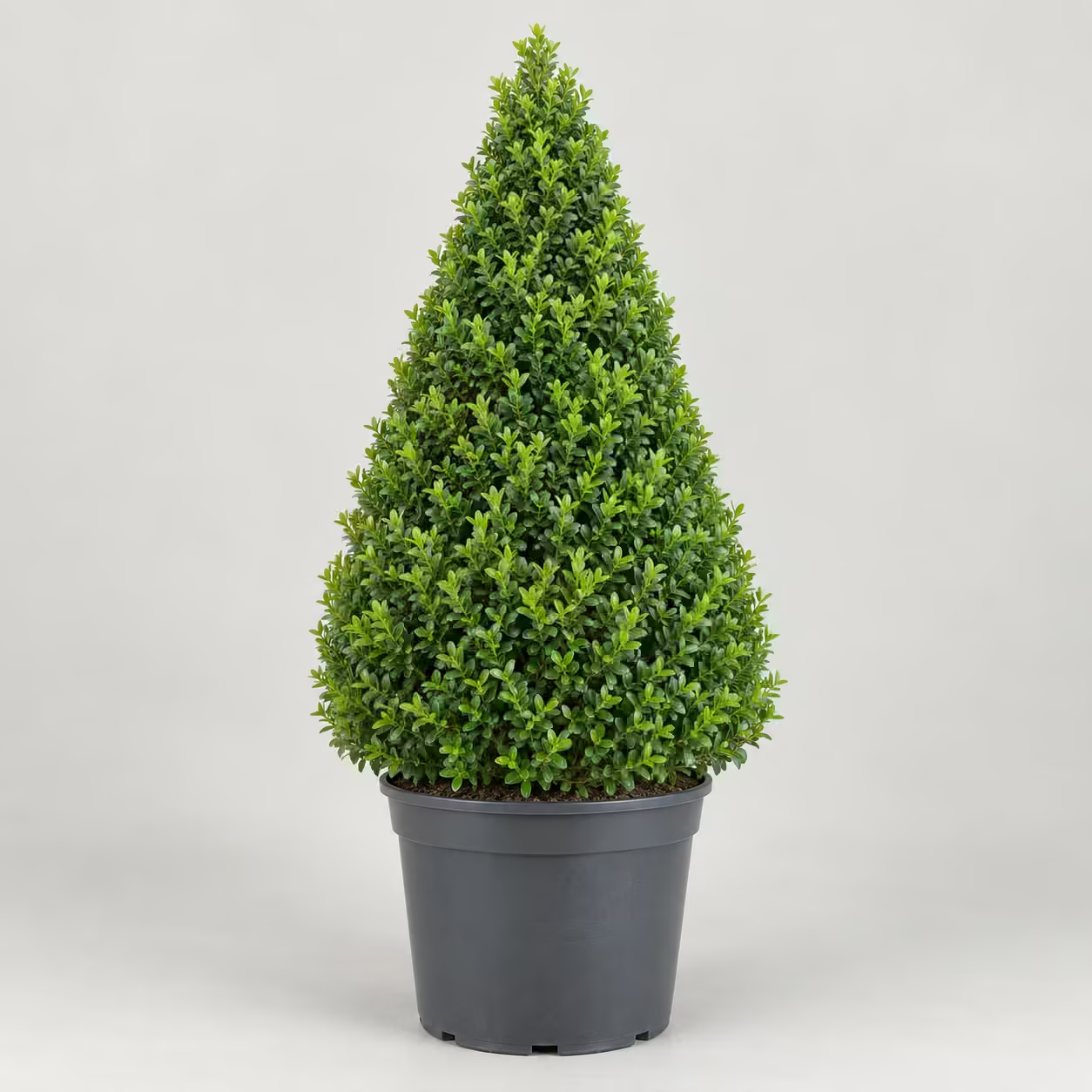
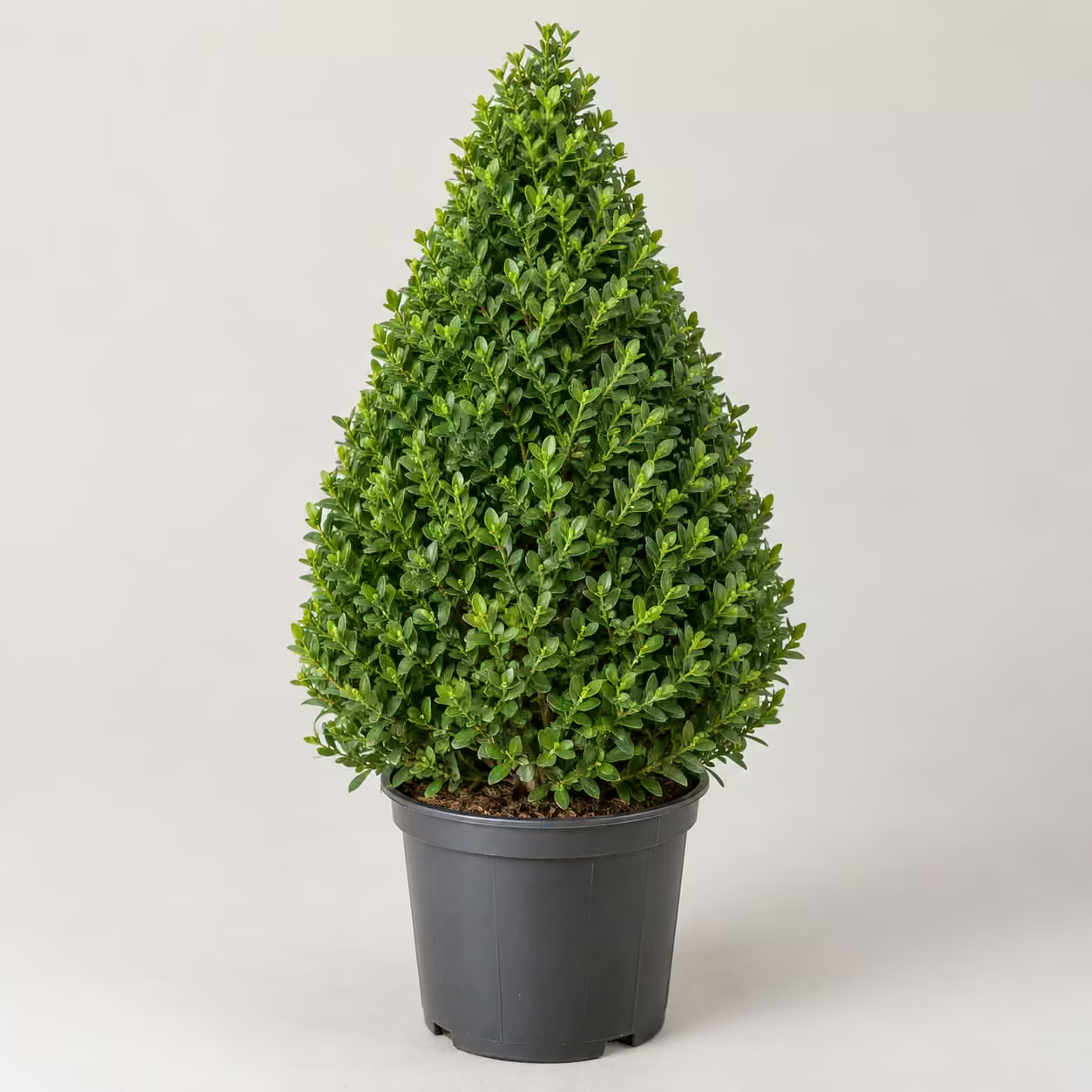
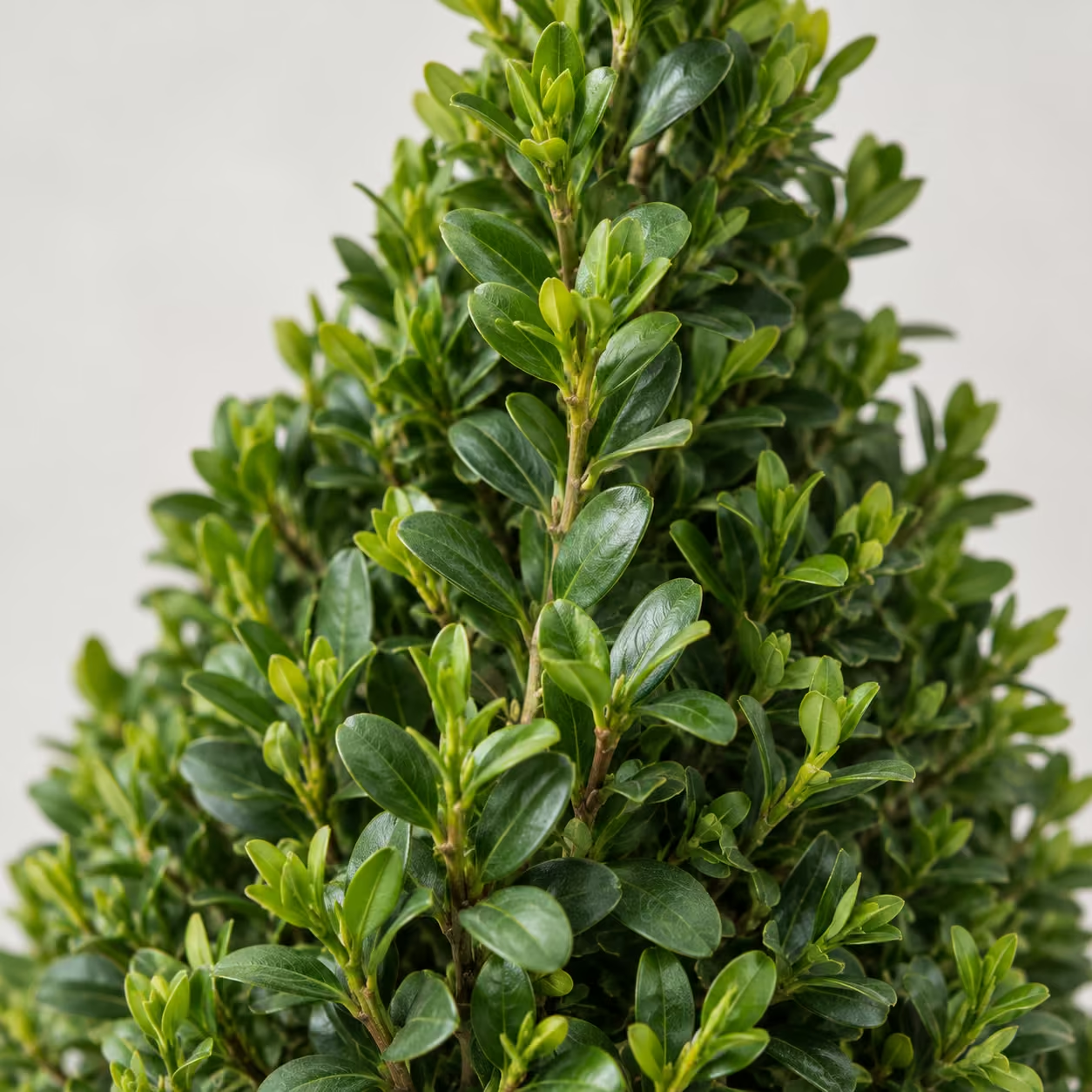
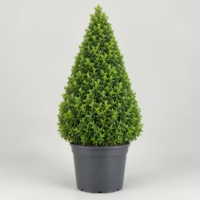
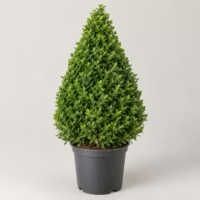
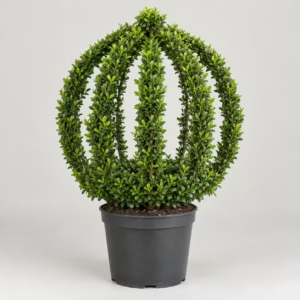
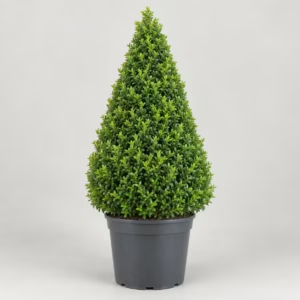
Boxwood topiary trained into a cone. A clear balanced outline depends on gentle clipping and enough light reaching the lower foliage.
Buxus Cone is part of the Plants Paradise outdoor plants collection. Choose it for a place that can meet its growing needs as well as its appearance. Think about access for watering, room for new foliage and the amount of light actually reaching the plant. A good position is one you can maintain through changing weather, rather than a corner that looks attractive for only a few days.
Choose your supplied size
Select Plant Size to choose the approximate nursery height in feet. The matching pot diameter is shown in the variation details after selection. Each height and pot size is a fixed pair from the supplied stock list. A taller option may need more headroom, a steadier position and easier handling, so measure the intended space before ordering.
| Plant size | Pot diameter | Listed sale price (PKR) |
|---|---|---|
| 1 ft | 12 inch | 2000 |
| 2 ft | 14 inch | 3000 |
| 3 ft | 16 inch | 4000 |
| 4 ft | 18 inch | 5000 |
These measurements describe the supplied nursery options, not a permanent mature size. Live foliage changes as plants grow, and individual branching, leaf count and fullness can differ. Pot diameters are approximate nursery sizes. If precise clearance or a particular shape is essential, confirm the current specimen before placing your order. The price shown on the selected product option applies to that size.
Light and placement
Bright outdoor light with afternoon shelter where heat is intense. For Buxus Cone, assess light at the leaves rather than only the brightness of the room or garden. Buildings, walls, trees and balcony roofs can change exposure during the day. After moving a plant, introduce it to a stronger position gradually. Observe the new growth and adjust its location if foliage begins to pale, scorch or stretch.
Watering the root zone
Keep moisture reasonably steady while ensuring the pot drains. Check the mix before adding water, and lift or assess the container when practical to learn how it feels as it dries. Water should reach the root ball rather than only wetting the surface. Let excess water escape and empty any tray that remains full. A calendar reminder can prompt a check, but it should not replace checking the plant itself.
Soil, pot and drainage
A draining loam-based mix. Keep drainage holes unobstructed, and avoid packing additional soil tightly around the stem. If you use an outer decorative container, ensure water cannot collect unseen at its base. When repotting becomes necessary, move to a proportionate container instead of making a very large jump in pot size. Preserve the existing root ball and use fresh mix appropriate to the plant.
Seasonal care in Pakistan
Boxwood topiary needs air movement and protection from harsh drying exposure; confirm the local nursery species. Conditions differ between a coastal balcony, a sheltered city courtyard and a colder northern garden. Use your actual exposure and season to make decisions. Heat, rainfall, wind and cooler nights all change how quickly the pot dries. Recheck the chosen position when the season changes, especially if nearby surfaces reflect heat or rain falls directly into the container.
Feeding and routine maintenance
Clip lightly in stages, inspect inner foliage and remove dead material rather than shearing repeatedly into the same dense outer layer. Feed only when growth and plant condition justify it, using a fertiliser suitable for the plant and following its label. Do not compensate for poor light or soggy soil by adding extra feed. Keep tools clean, remove damaged material carefully and review any support ties as stems thicken. Small routine checks are easier than correcting prolonged neglect or an overcrowded display.
Settling a newly received plant
Unpack carefully and inspect the foliage, stems and container before moving the plant to its final position. Check the root-zone moisture because handling and transit can change it. Keep the first few days simple: suitable light, appropriate watering and protection from abrupt exposure changes. Avoid heavy pruning, unnecessary root disturbance and several large care changes at once. Keep its nursery label so you can identify the product later.
Watch growth and resolve problems
Look at new leaves, stem tips and the condition of the mix during regular care. If growth changes, first review recent watering, light and weather rather than guessing from one yellow leaf. Check leaf undersides and stem joints for visible pests or damage. Separate a visibly affected plant from nearby pots while you assess it. Use a treatment suited to the identified issue and follow the product directions.
Plan the outdoor display
Allow room around the plant for growth, airflow and maintenance. If the product has a trained outline, position it where you can inspect all sides and reach the lower foliage. Tall options need a stable base and protection from accidental tipping. A nursery container is not always the final long-term planting solution. Plan any move into a larger pot or garden site around the plant type and its establishment needs.
Common buying questions
Will the delivered plant look exactly like the photograph? The catalogue images are AI-generated illustrations of the plant type, rather than photographs of the individual stock being dispatched. Natural plants differ in leaf arrangement, branching and seasonal appearance. Use the size information and current nursery confirmation to guide a purchase where exact appearance matters.
Is a decorative pot or hanging fitting guaranteed? The supplied information specifies nursery pot diameter only. The pot finish, hanger, support frame and any decorative accessories visible in catalogue imagery have not been separately confirmed. Ask about those items if they are essential to the intended display. No unsupported delivery time, flowering promise or colour selection is included in this listing.
Complete your plant choice
Choose Buxus Cone when its growth habit and care needs fit the available space. Review the listed pot and size information, consider the conditions it will experience after arrival, and choose an option you can look after comfortably. For a mixed collection, place plants with similar light and watering requirements together while allowing each pot to drain independently. This makes ongoing care easier and keeps the display accessible as it develops.
Reviews
Clear filtersThere are no reviews yet.