
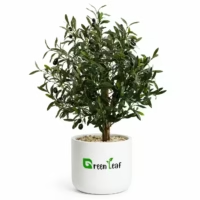
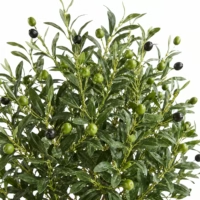
The Olive Tree A Mediterranean Icon for Gulf and Pakistani Gardens
The Olive Tree has captured human imagination for thousands of years. Ancient civilisations across the Mediterranean, Middle East, and North Africa revered it for its beauty, its oil, and its symbolism of peace and abundance. Today, it brings that same timeless elegance to gardens in Dubai, Abu Dhabi, Riyadh, Muscat, Doha, Kuwait City, and Karachi. An Olive Tree does not just grow in a garden it becomes part of it.
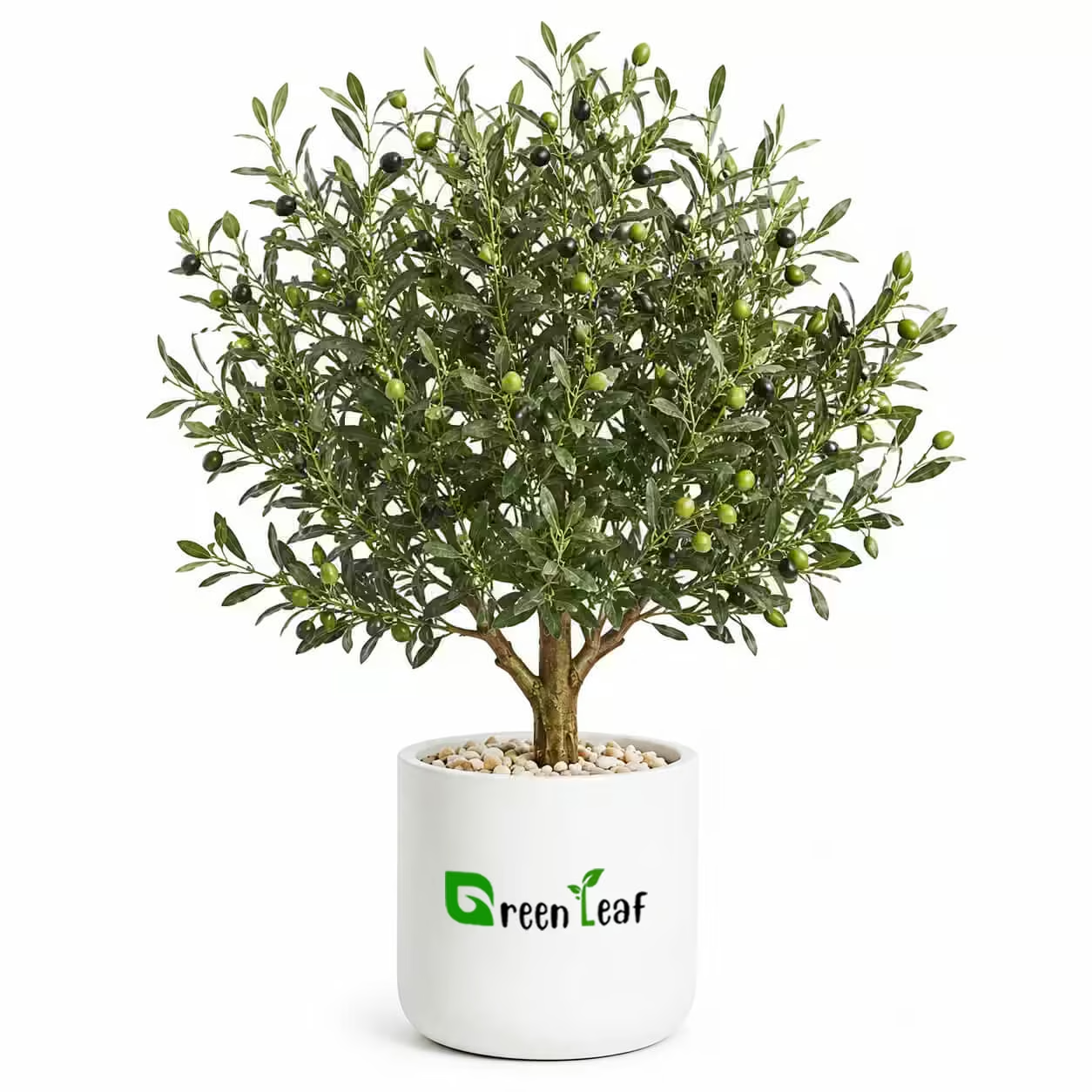
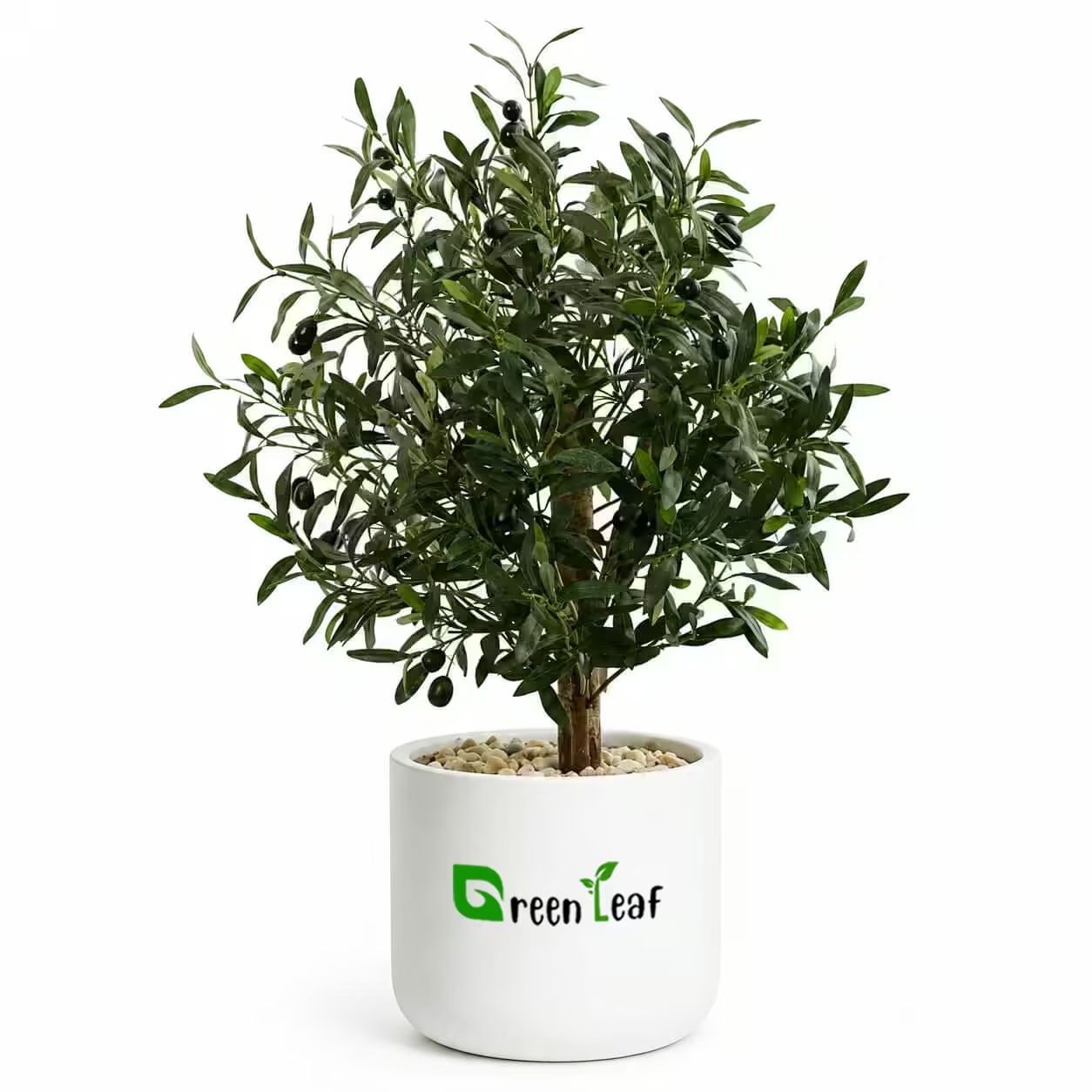
Botanically known as Olea europaea, this tree is naturally adapted to hot, dry, and sunny climates. Its origins in the Mediterranean make it a near-perfect match for Gulf conditions. The silver-green leaves shimmer in sunlight, the trunk develops beautiful gnarled character with age, and the tree asks for very little beyond good drainage and full sun.
Why the Olive Tree Thrives in the Gulf and Pakistan
The Gulf region and large parts of Pakistan share climate characteristics with the Mediterranean long hot summers, low rainfall, and bright sunshine. This makes the Olive Tree one of the most climate-appropriate ornamental trees available in these markets.
Drought Tolerance Built for Desert Conditions
Once established typically after 12–18 months of regular watering the Olive Tree becomes highly drought tolerant. In Dubai and the broader UAE, where summer temperatures regularly exceed 40°C, this resilience is invaluable. The tree’s deep root system draws moisture from well below the surface, allowing it to survive extended dry periods with minimal supplemental irrigation.
In Pakistan, the tree performs particularly well in Lahore, Islamabad, and other Punjab cities where the climate is warm and relatively dry. In Karachi’s coastal climate, the salt-tolerant nature of the Olive Tree is an additional advantage.
Silver Foliage That Glows in Gulf Sunlight
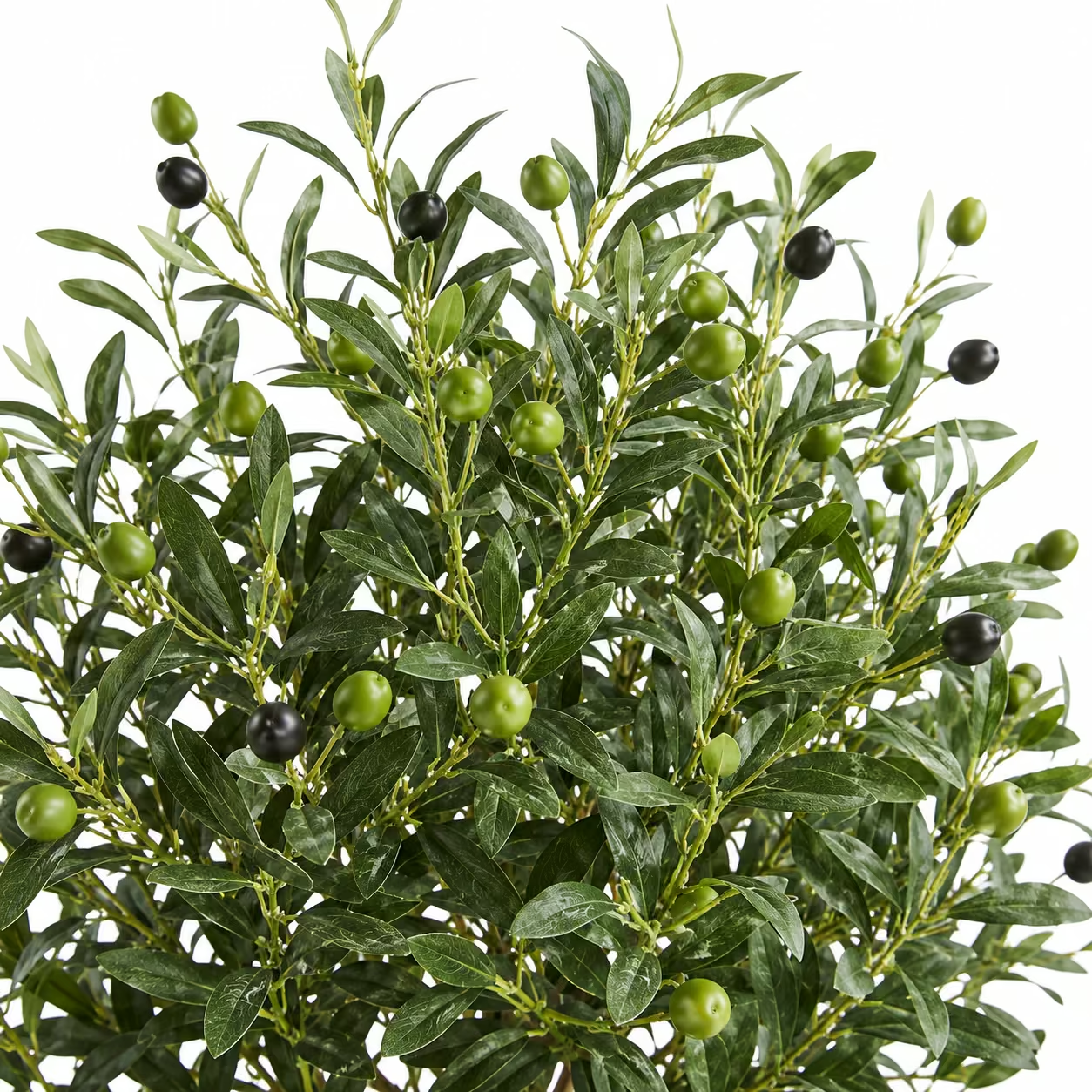
The leaves of the Olive Tree are its most distinctive visual feature. Narrow, lance-shaped, and grey-green on top with a silvery underside, they shimmer and catch the light beautifully. In a garden that receives the intense Gulf sun, this effect is particularly striking. Wind passing through the canopy creates a gentle, constant motion as leaves flip from green to silver and back again.
A Tree That Ages Beautifully
The Olive Tree is one of very few trees that genuinely improves in appearance with age. The trunk becomes progressively more gnarled, twisted, and textured as decades pass. Old Olive Trees some thousands of years old in Mediterranean countries are considered natural sculptures. In a Gulf villa garden or a Pakistani courtyard, even a 10–20 year old specimen carries significant visual presence.
How to Grow and Care for Your Olive Tree
Growing an Olive Tree in the Gulf and Pakistan is straightforward if a few key conditions are met. This tree is not difficult it simply needs the right environment.
Sunlight Requirements
Full sun is non-negotiable for the Olive Tree. Plant it where it receives at least 6–8 hours of direct sunlight daily. In UAE, Saudi Arabia, and Oman, this is rarely a challenge. Shaded positions will cause slow, weak growth and poor flowering.
Watering and Drainage
Water young trees every 5–7 days during their first growing season. As the tree establishes, gradually reduce watering. Mature trees need water every 10–14 days in summer and can go 3–4 weeks between waterings in cooler weather. The single most important factor is drainage. Olive Trees cannot tolerate waterlogged soil. In areas with clay-heavy soils, raise the planting area or mix coarse gravel into the soil.
Soil and Fertilising
Olive Trees are adaptable to most soil types sandy, loamy, or gravelly. They prefer a slightly alkaline pH. Add a balanced slow-release fertiliser once in spring and once in early summer. Do not over-fertilise, as excessive nitrogen produces lush growth at the expense of fruit and flowering.
Pruning
Prune in late winter or early spring before new growth begins. Remove crossing branches, dead wood, and any branches growing toward the centre of the tree. The aim is to keep the canopy open and airy to allow sunlight penetration. Annual light pruning keeps the tree tidy and promotes good structure.
Pro Tip
-
Prune lightly after spring growth to maintain a bushy, compact shape
-
Regular shaping encourages healthy new shoots and a tidy structure
Quick Facts
- Botanical Name: Olea europaea
- Nicknames Names: Common Olive, European Olive, Lady’s Oil
- Plant Type: Outdoor Tree
- Plant Height (Including Pot): 30–40 cm | 80–90 cm | 100–110 cm
- Nursery Pot Size: 14 cm | 19 cm | 21 cm
- Sunlight Requirement: Full Sun
- Watering Needs: Low once established
- Growth Rate: Slow to Moderate
- Climate Suitability: Ideal for Gulf and Pakistan outdoor conditions
- Suitable For: Villa Gardens, Landscapes, Courtyards, Patios, Large Pots, Feature Planting
- Pet & Child Safety: Yes (Considered pet-friendly)
Olive Trees in Pots and Containers
One of the great advantages of the Olive Tree is its adaptability to container growing. In Gulf apartments with large balconies, in courtyards, or in patios across Dubai and Pakistan, an Olive Tree in a large terracotta or ceramic pot is a sophisticated statement. Choose a pot at least 50–60 cm in diameter with drainage holes, use a well-draining potting mix, and position the pot in the sunniest available spot.
Pot-grown Olive Trees need slightly more frequent watering than in-ground specimens check soil moisture every 3–5 days in summer. Feed monthly during the growing season with a balanced liquid fertilizer.
For a complete potted garden look, combine the Olive Tree with the Bougainvillea for spectacular colour and a true Mediterranean feel in any Gulf outdoor space.
Landscape Uses for the Olive Tree
The Olive Tree is one of the most versatile trees in Gulf and Pakistani garden design. As a standalone specimen tree, it commands attention and becomes the focal point of any garden. Planted in a row, Olive Trees create an elegant allee or privacy screen. In mixed planting schemes, their silvery foliage provides beautiful contrast against darker greens, coloured flowers, and architectural hardscape.
For contemporary villa gardens in Dubai or Riyadh, the Olive Tree’s natural form pairs well with geometric paving, clean pool lines, and minimalist architecture. And for traditional Pakistani courtyard gardens, it echoes the region’s own ancient connection to this iconic tree.
For those who want the Olive Tree as part of a larger fruit garden, it pairs wonderfully with the Mango Plant together they create a productive and beautiful outdoor garden suited to Gulf and Pakistani climates.
Frequently Asked Questions
1: Will the Olive Tree fruit in Dubai?
Yes, with good care and the right conditions, mature trees produce olives. However, fruiting requires warm days and cooler nights, which Pakistan’s climate provides more reliably than the Gulf.
2: Can I grow an Olive Tree on my Dubai apartment balcony?
Yes, in a large container with good drainage and full sun exposure. It does very well in pots.
3: How fast does it grow?
Slowly approximately 20–30 cm per year. This slow growth is what gives the tree its longevity and character.
4: Is it toxic to pets?
Olive Trees are non-toxic to dogs and cats, making them safe for homes with pets.
5: How tall does it grow in a garden?
In a Gulf garden, expect 3–6 metres over 10–15 years depending on soil and water conditions.
6: What time of year should I plant it?
Plant in autumn or early spring when temperatures are moderate avoid transplanting in peak Gulf summer heat.
7: Is the Olive Tree evergreen?
Yes. It retains its leaves year-round, providing consistent visual interest in all seasons.
8: Does Green Leaf Store ship Olive Trees to Pakistan?
Yes. Green Leaf Store delivers to Karachi, Lahore, Islamabad, and other Pakistani cities.
Conclusion
The Olive Tree is not just a plant it is a piece of living history. For Gulf villa owners, Pakistani garden enthusiasts, and everyone in between, this tree offers beauty, resilience, and a connection to something ancient and enduring.
Order the Olive Tree from Green Leaf Store today and bring a touch of Mediterranean magic to any outdoor space in all Gulf Countries, or Pakistan.
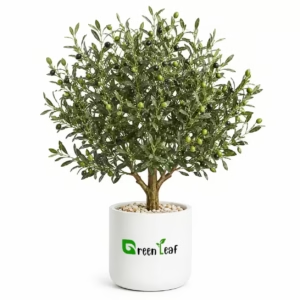
Reviews
Clear filtersThere are no reviews yet.