

Fiddle-Leaf Fig The Ultimate Guide Indoor Statement Tree for Gulf and Pakistani Interiors
Few indoor plants have achieved the cult status of the Fiddle-Leaf Fig. It has dominated interior design magazines, social media feeds, and luxury showrooms across Dubai, Abu Dhabi, Riyadh, and beyond for years and the appeal has not dimmed. When the right plant for a large, bright living room in the Gulf or Pakistan is needed, the Fiddle-Leaf Fig is consistently the first choice of interior designers and plant enthusiasts alike.
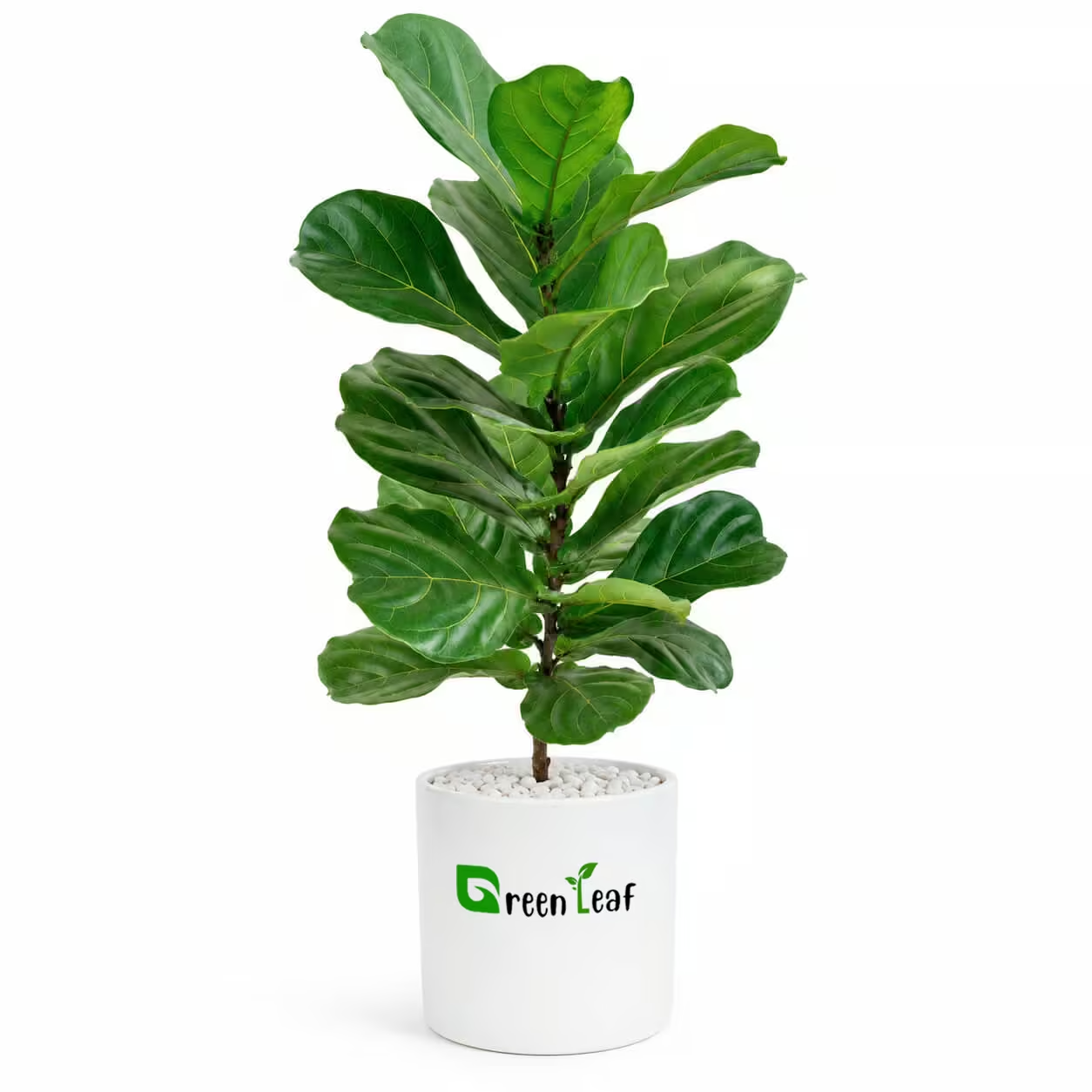
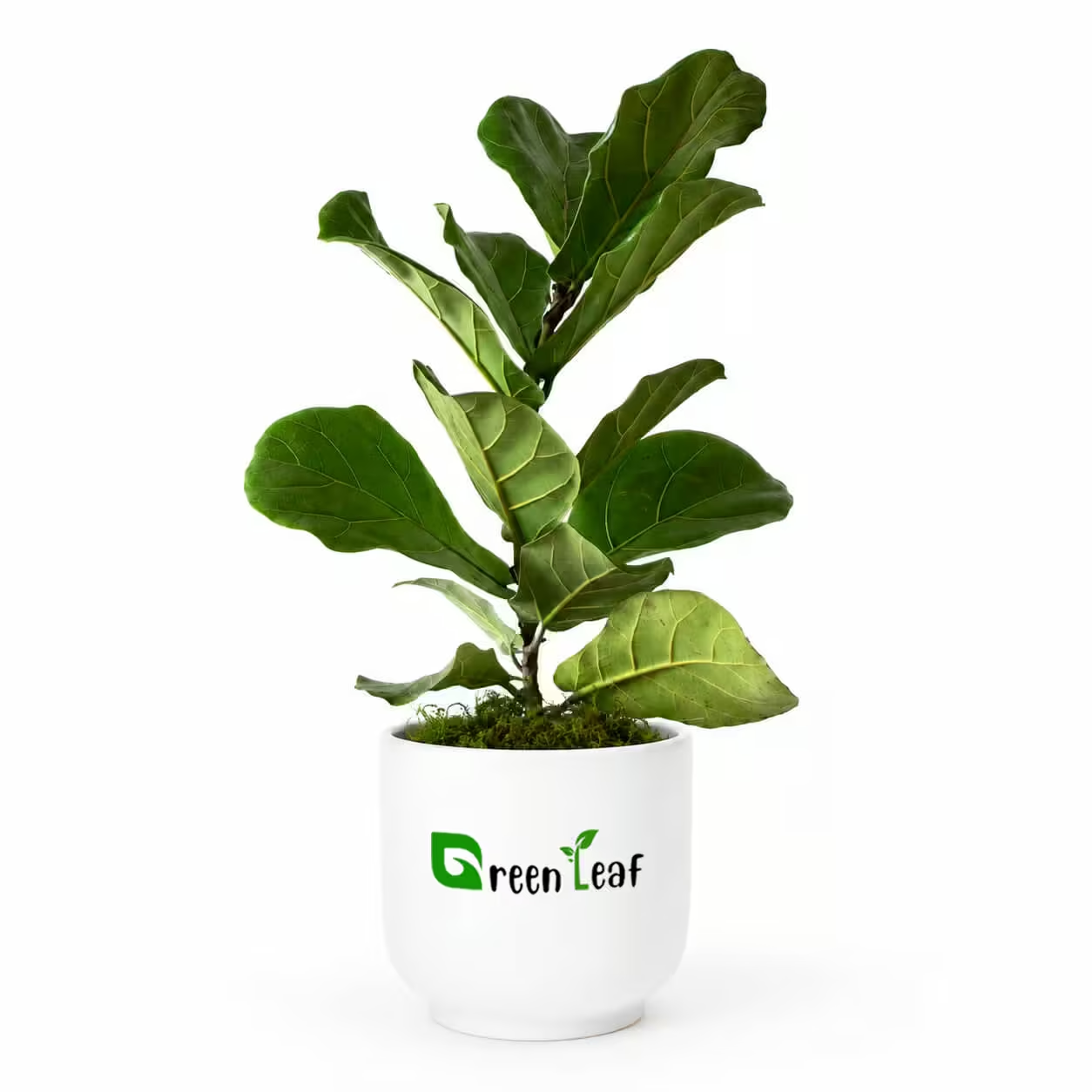
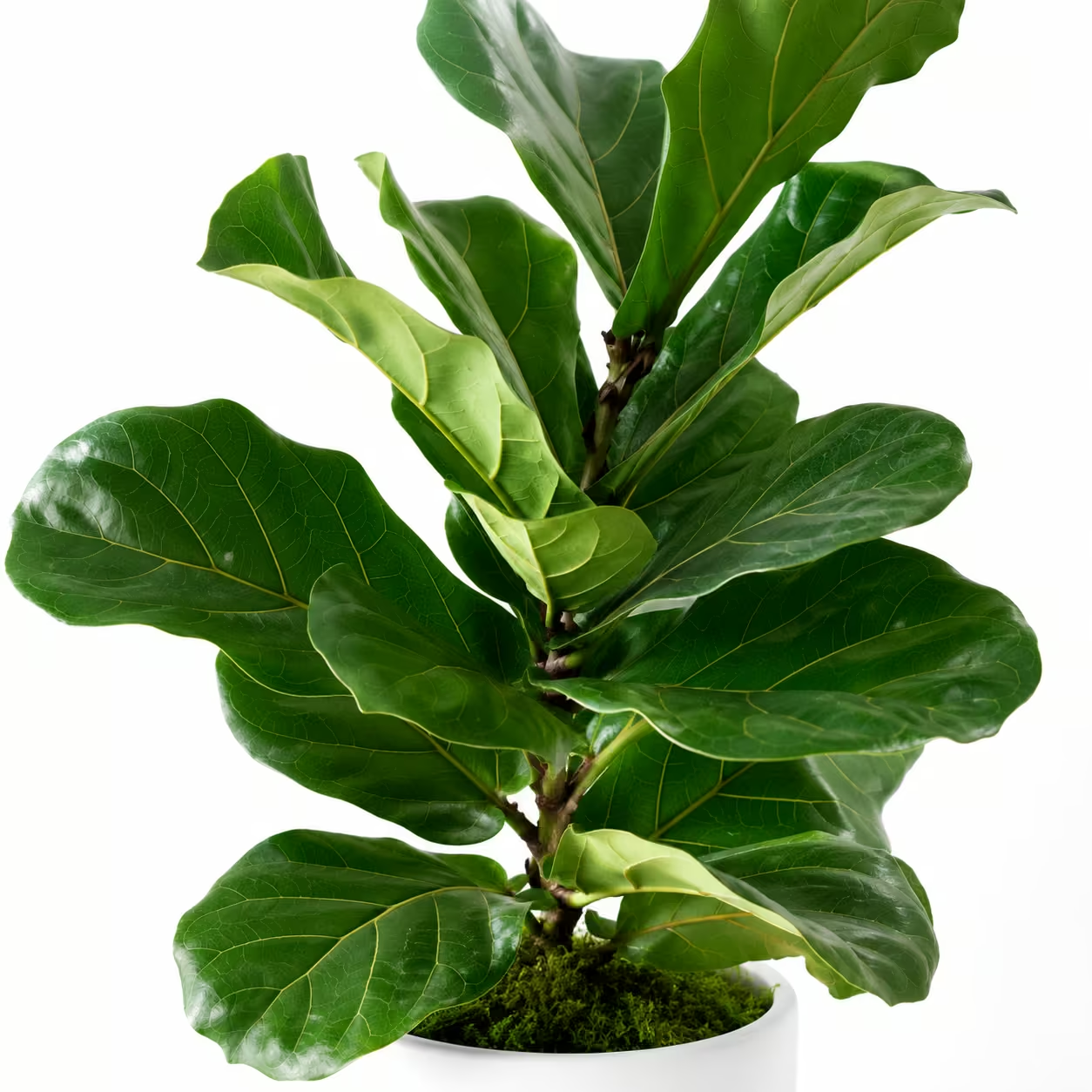
Botanically known as Ficus lyrata, this plant is native to the tropical rainforests of West Africa. Its large, glossy, violin-shaped leaves each one distinctive with prominent cream veins against deep green bring an unmistakable tropical sophistication to any interior. A well-grown Fiddle-Leaf Fig standing in a corner of a Dubai villa living room or a Lahore boutique office is nothing short of spectacular.
Why the Fiddle-Leaf Fig Defines Gulf Interior Design
The reasons for its enduring popularity in Gulf interiors are clear. First, its scale. Unlike smaller tabletop plants, the Fiddle-Leaf Fig grows into a true indoor tree reaching 1.5 to 2 metres or more in ideal indoor conditions. This height fills vertical space in the high-ceilinged rooms common in Gulf villas and commercial properties. Second, its foliage. No other common indoor plant offers leaves this large, this dramatic, or this architecturally precise.
Large, Wavy, Violin-Shaped Leaves
Each leaf of the Fiddle-Leaf Fig is a visual event in itself. Measuring up to 40–45 cm in length, the leaves are deeply corrugated with prominent veins, giving them a sculptural quality. The edges are subtly wavy, adding an organic softness to an otherwise bold form. In Gulf interiors characterised by clean lines and neutral palettes, these rich green, large-leafed plants create an impactful contrast.
Upright, Tree-Like Form
Unlike spreading indoor plants, the Fiddle-Leaf Fig grows upright with a single stem or trunk, gradually dropping its lower leaves as it matures to create the classic tree silhouette. This vertical growth habit makes it ideal for narrow corners and tall spaces without consuming floor area. In Gulf villas and Pakistani homes with high ceilings, this verticality is a tremendous asset.
How to Care for a Fiddle-Leaf Fig in Gulf and Pakistani Climates
The Fiddle-Leaf Fig has a reputation for being temperamental but this reputation is largely based on people placing it in the wrong position or disrupting it with frequent moves. With the right placement and consistent care, it is a rewarding long-term plant.
The Critical Importance of Position
Choose the final position carefully before placing the Fiddle-Leaf Fig. Once settled and growing well, do not move it. This plant is extremely sensitive to environmental changes. Moving it from room to room or rotating it frequently causes leaf drop and stress. In Gulf homes, choose a position near a large east or west-facing window where it receives 4–6 hours of bright, filtered light daily.
Watering Discipline
Water every 7–10 days in summer. Allow the top 3–5 cm of soil to dry out between waterings. Use room-temperature water and water slowly until it drains from the bottom of the pot. Empty the saucer after 30 minutes to prevent root sitting in water. In the drier Gulf winter months, reduce watering to every 10–14 days. Overwatering is the fastest way to lose a Fiddle-Leaf Fig brown spots on leaves are often the first sign.
Light Requirements
Bright, indirect light is ideal. A large window with a sheer curtain works perfectly in Gulf villas. The intense direct sunlight of UAE and Saudi Arabia summer can scorch the leaves filter it. East-facing windows provide the ideal morning light intensity. In Pakistan, the plant benefits from good natural light in spring and autumn but needs shade from peak summer afternoon sun.
Humidity and Temperature
Maintain temperatures between 18°C and 32°C. Avoid cold draughts from air conditioning and sudden temperature drops. In Gulf interiors, keep air conditioning vents directed away from the plant. Mist the leaves occasionally or wipe with a damp cloth to maintain humidity and remove dust dusty leaves reduce the plant’s ability to photosynthesise efficiently.
Pro Tip
Wipe the leaves gently with a soft, damp cloth every few weeks it helps the plant breathe better and keeps the leaves glossy and dust-free.
Quick Facts
- Botanical Name: Ficus lyrata
- Common Names: Fiddle-leaf Fig, Banjo Fig, Ficus lyrata Bambino
- Plant Type: Evergreen Indoor Tree
- Air Purifying: Yes
- Plant Height (Including Pot): 20–30 cm | 100–110 cm | 130–140 cm
- Nursery Pot Sizes: 12 cm | 21 cm | 34 cm
- Light Requirement: Bright Indirect Light
- Watering Needs: Every 7–10 days; avoid overwatering
- Mature Indoor Height: Up to 2 metres
- Suitable For: Homes, Offices, Hotel Lobbies, Reception Areas
- Climate Suitability: Ideal for indoor environments across the Gulf and Pakistan
- Pet & Child Safety: No, Toxic if swallowed
Styling the Fiddle-Leaf Fig in Gulf Interiors
Interior designers across Dubai, Abu Dhabi, and Riyadh use the Fiddle-Leaf Fig as a statement anchor in living spaces. Paired with a large, white ceramic pot or a woven rattan planter, it creates an immediate focal point. In commercial spaces hotel lobbies, restaurant interiors, boutique offices it projects sophistication and care.
For those creating a layered, designer plant collection in a Gulf living room, the Fiddle-Leaf Fig works beautifully alongside the Monstera Deliciosa two iconic tropical plants that complement each other in scale, texture, and dramatic visual impact.
Fiddle-Leaf Fig Troubleshooting
Brown spots: Usually overwatering or root rot. Check drainage and reduce watering frequency.
Yellowing leaves: Often underwatering or too little light. Move closer to a window and adjust watering schedule.
Leaf drop: Caused by a change in environment a move, a temperature change, or a draught. Give the plant 2–4 weeks to adjust to its new position.
Dusty, dull leaves: Wipe with a damp cloth. Clean leaves breathe better and look far more impressive.
Frequently Asked Questions
Q1: Why is my Fiddle-Leaf Fig dropping leaves after I received it?
This is a stress response to the change in environment. Place it in its intended permanent position and do not move it again. Recovery usually takes 2–4 weeks.
Q2: How much light does it need in Dubai?
4–6 hours of bright, filtered light daily. Avoid direct midday sun.
Q3: Can it survive in a dark room in the Gulf?
No. It needs significant light. A dark room will cause slow decline, yellowing, and leaf drop.
Q4: How tall will it grow indoors in the UAE?
With good care, up to 1.5–2 metres over 3–5 years. Some specimens reach 3 metres indoors.
Q5: Is it toxic to pets?
Yes, the sap is toxic to cats and dogs. Keep out of reach.
Q6: Should I repot it immediately after delivery?
Wait 4–6 weeks after delivery before repotting to allow the plant to adjust to its new environment.
Q7: Does Green Leaf Store ship Fiddle-Leaf Fig to Pakistan?
Yes, to Karachi, Lahore, Islamabad, and other major cities.
Q8: Why do the edges of the leaves go brown?
Low humidity from air conditioning is the most common cause. Increase humidity around the plant.
Conclusion
The Fiddle-Leaf Fig is not just a plant it is an interior design statement. For Gulf homes seeking a dramatic, designer indoor tree, and for Pakistani spaces where vertical green impact is needed, it remains unmatched.
Order the Fiddle-Leaf Fig from Green Leaf Store today and experience why it remains the most wanted indoor plant in the Gulf and Pakistan.

Reviews
Clear filtersThere are no reviews yet.