
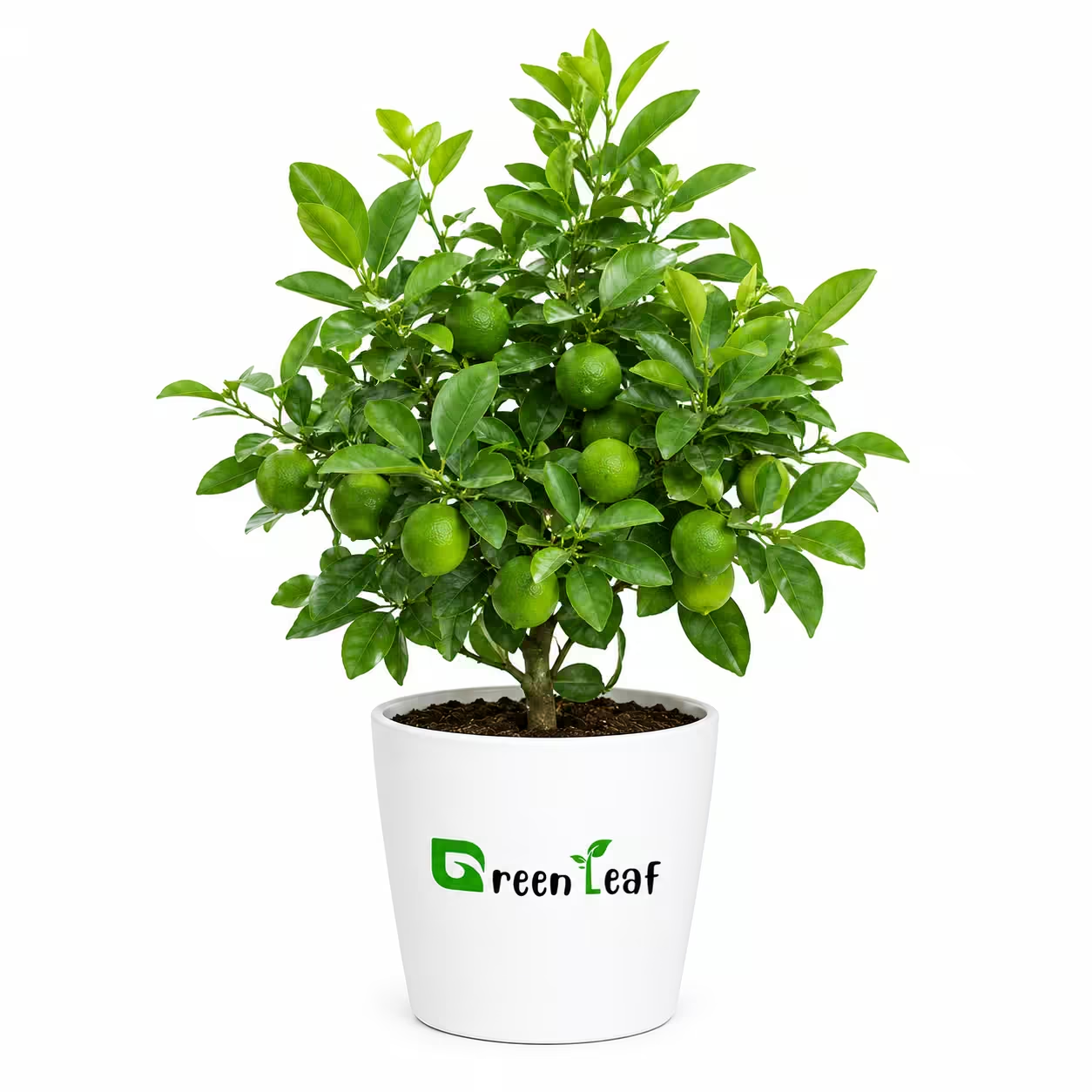


Citrus Lime Tree Grow Fresh Limes in Gulf and Pakistani Gardens
The lime is one of the most essential ingredients in Gulf and Pakistani cuisine. Fresh lime juice brightens biryanis, elevates grilled meats, completes beverages, and appears in virtually every cuisine across the Gulf and Pakistan in some form. The Citrus Lime Tree from Green Leaf Store gives Gulf and Pakistani gardeners direct access to this essential ingredient freshly picked, fragrant, and genuinely superior in flavour to commercially sourced limes.
Known botanically as Citrus aurantiifolia (Key Lime) or Citrus latifolia (Persian Lime), the Lime Tree is one of the most heat-tolerant citrus varieties available. Its origin in tropical and subtropical regions of Southeast Asia and its centuries of cultivation across the Middle East and South Asia mean it is well-adapted to Gulf outdoor conditions thriving in the heat, sun, and warmth that define Gulf outdoor gardens.
Why Lime Trees Belong in Gulf and Pakistani Gardens
The Most Used Citrus in Gulf and Pakistani Cooking
No citrus fruit is more integral to Gulf and Pakistani cooking than the lime. In Pakistan, nimbu (lime) appears in virtually every cuisine as a condiment, a souring agent, and a refreshing drink ingredient. In Gulf cuisine, lime juice appears in everything from seafood marinades to shawarma sauces to fresh juices. Growing a lime tree at home provides a supply that is always fresher, more fragrant, and more flavourful than anything from a supermarket.
Fragrant White Blossom
Like all citrus trees, the Lime Tree produces white, fragrant blossoms in spring. These flowers carry the distinctive sweet-sharp citrus scent an aroma that is simultaneously energising and comforting. In Gulf gardens, this spring blossom fills the outdoor space with fresh citrus fragrance during the most pleasant months of the Gulf garden season.
Glossy Evergreen Foliage
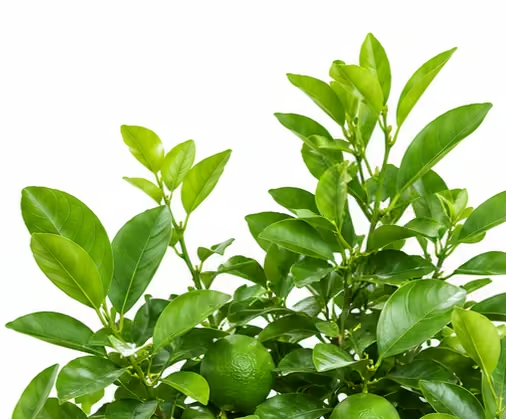
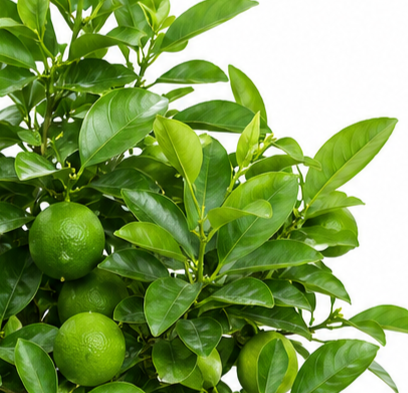
The Lime Tree is evergreen maintaining its attractive dark green, glossy leaves year-round. Between fruiting and flowering periods, the glossy foliage provides year-round ornamental interest in Gulf gardens and on Pakistani terraces.
Growing the Lime Tree in Gulf and Pakistani Conditions
Sunlight
Full sun 6–8 hours daily is essential. The Lime Tree is one of the most heat-tolerant citrus varieties, handling Gulf summer temperatures well in open, sunny garden positions.
Watering
Water every 5–7 days during establishment. Once established, every 7–10 days in Gulf summer and every 10–14 days in cooler months. Consistent moisture during fruit development improves fruit quality and prevents fruit drop.
Fertilising
Apply a citrus-specific fertiliser every 6–8 weeks during the growing season. Include a monthly Epsom salt (magnesium sulphate) supplement to prevent magnesium deficiency common in Gulf soils and indicated by yellowing between leaf veins.
Container Growing
The Lime Tree grows well in large containers (50+ cm diameter) on Gulf balconies and terraces. Container-grown specimens produce excellent fruit in full-sun balcony positions and can be moved to protected positions during any cold Gulf weather events.
For a diverse and productive Gulf citrus garden, pair the Lime Tree with the Sweet Orange Tree limes and oranges growing together to provide the two most-used citrus fruits in Gulf and Pakistani cooking from a single home garden.
Quick Facts
- Botanical Name: Citrus × aurantiifolia
- Common Name: Lime Tree
- Plant Type: Outdoor Citrus Fruit Tree
- Plant Height (with Pot): 80 cm
- Nursery Pot Size: 21 cm
- Light Requirement: Full Sun (6–8 Hours Daily)
- Watering Needs: Moderate; water every 7–10 days once established
- Growth Habit: Evergreen, Compact & Productive Fruit Tree
- Special Features: Fragrant White Flowers, Edible Limes, Self-Fertile, Heat Tolerant
- Best For: Home Gardens, Patios, Terraces, Large Pots, Citrus Gardens & Sunny Outdoor Spaces
- Climate Suitability: Excellent for Gulf & Pakistani Outdoor Conditions
- Pet/Baby Safe: ⚠️ Mildly toxic to pets if ingested; thorns may cause injury
Frequently Asked Questions
Q1: When do limes ripen in Gulf conditions?
Persian Lime typically ripens year-round in Gulf warm conditions; Key Lime peaks in summer.
Q2: Can I grow a Lime Tree on my Dubai apartment balcony?
Yes in a 50+ cm container in full sun, it is one of the best balcony citrus trees available.
Q3: Why are the leaves on my Lime Tree turning yellow?
Usually magnesium or nitrogen deficiency. Apply citrus fertiliser and Epsom salt solution.
Q4: How many limes can I expect from one tree?
A well-established, well-fed lime tree in Gulf conditions can produce several hundred limes per year.
Q5: Does the Lime Tree need a pollination partner?
No Lime Trees are self-fertile.
Q6: Does Green Leaf Store deliver to Oman and Bahrain?
Yes. Green Leaf Store delivers to all Gulf countries and Pakistan.
Q7: Is the Lime Tree cold tolerant?
Less cold-tolerant than some citrus. In Pakistan, protect from frost in cooler northern regions.
Q8: What is the best time to plant a Lime Tree in Gulf conditions?
Autumn or early spring when temperatures are moderate and establishment conditions are optimal.
Conclusion
The Citrus Lime Tree is one of the most practically useful and culinarily rewarding fruit trees for Gulf and Pakistani gardens. Fresh, fragrant, home-grown limes from a tree on a balcony or in a garden represent one of the most satisfying connections between growing and cooking.
Order the Citrus Lime Tree from Green Leaf Store today and start growing the Gulf’s most essential culinary citrus at home.

Reviews
Clear filtersThere are no reviews yet.